Meteor WL332
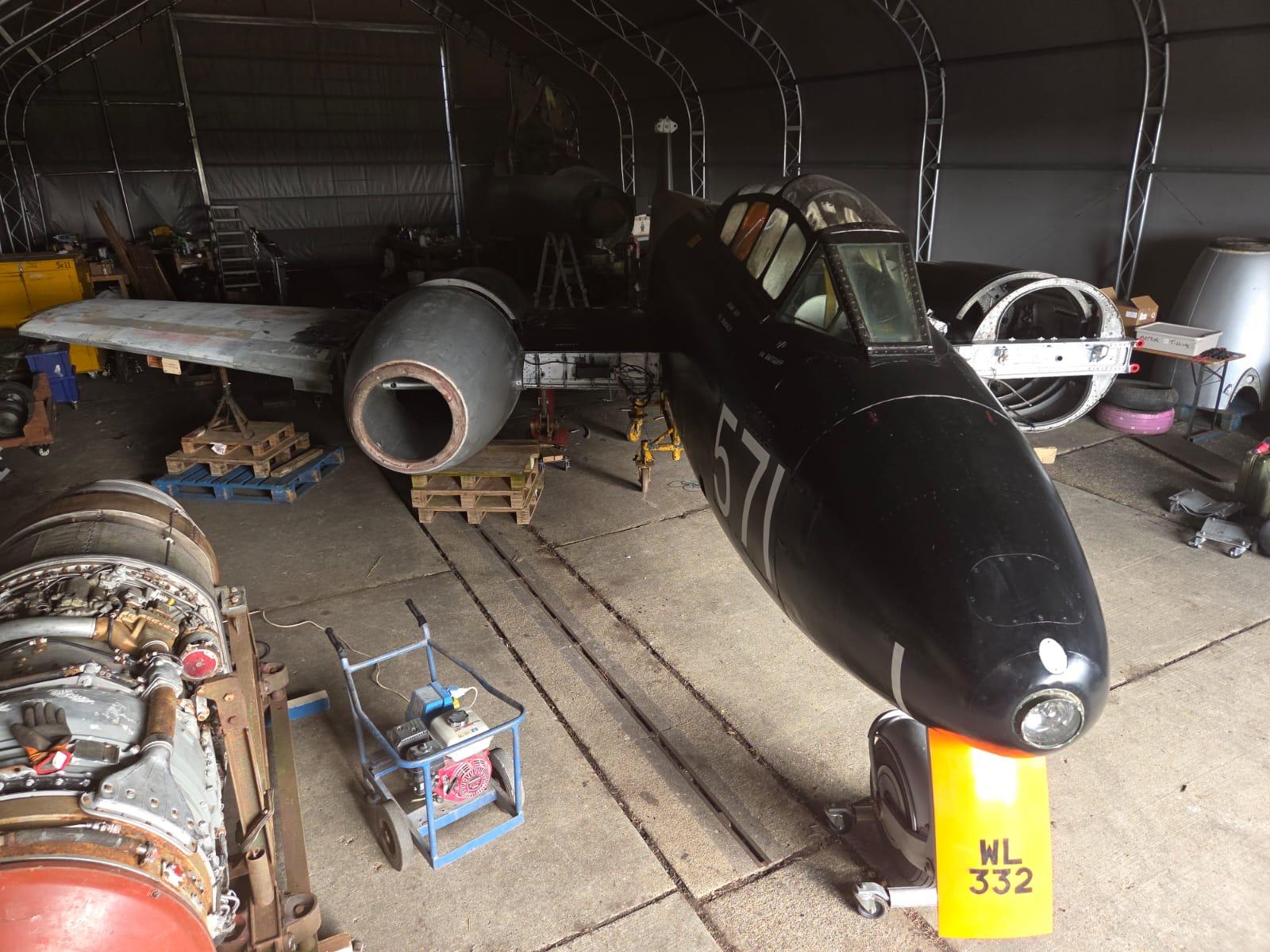
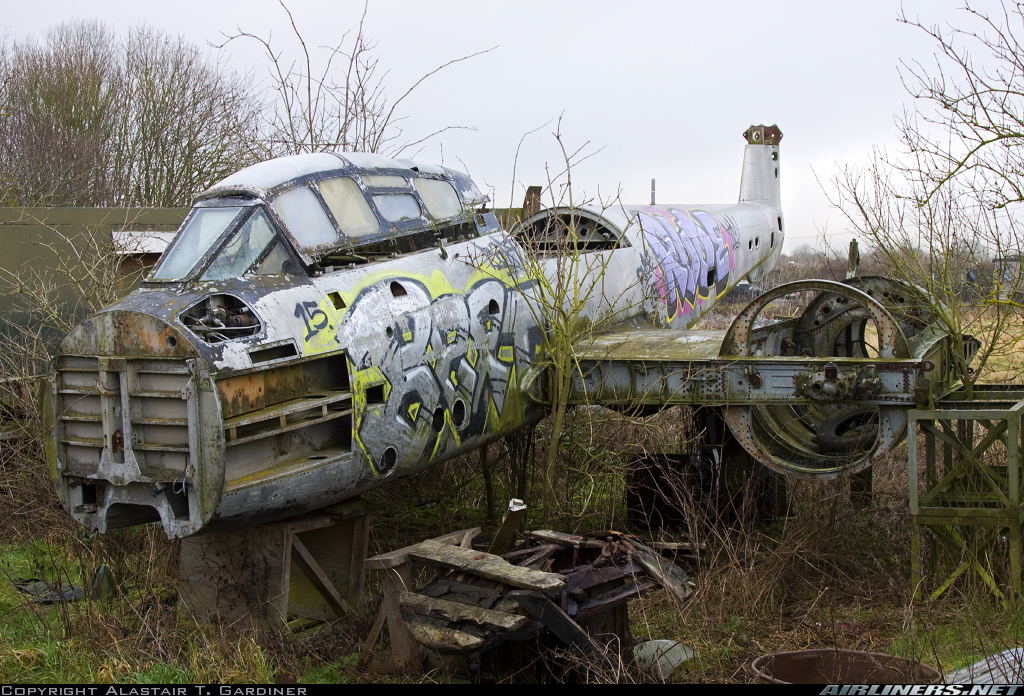
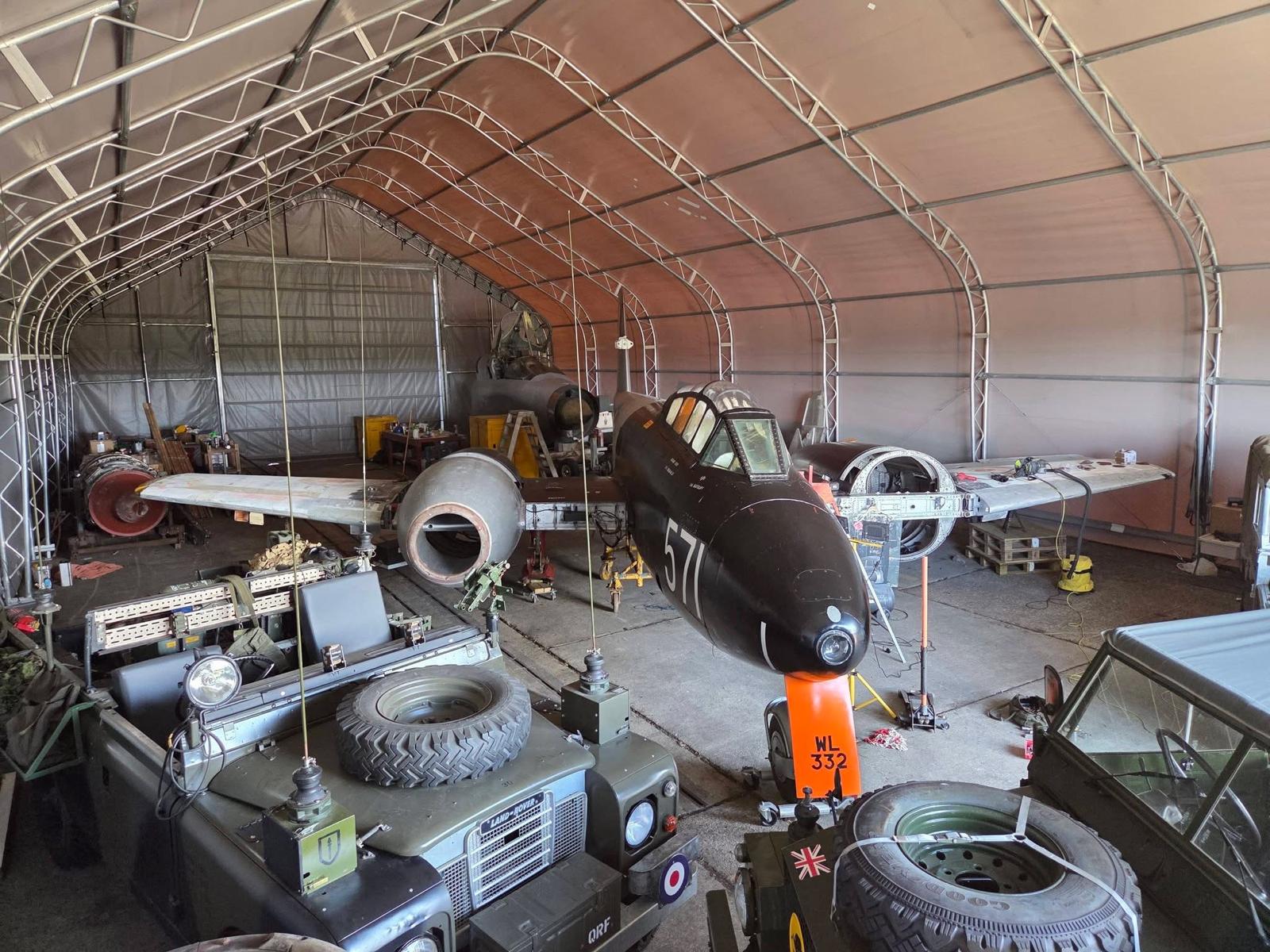
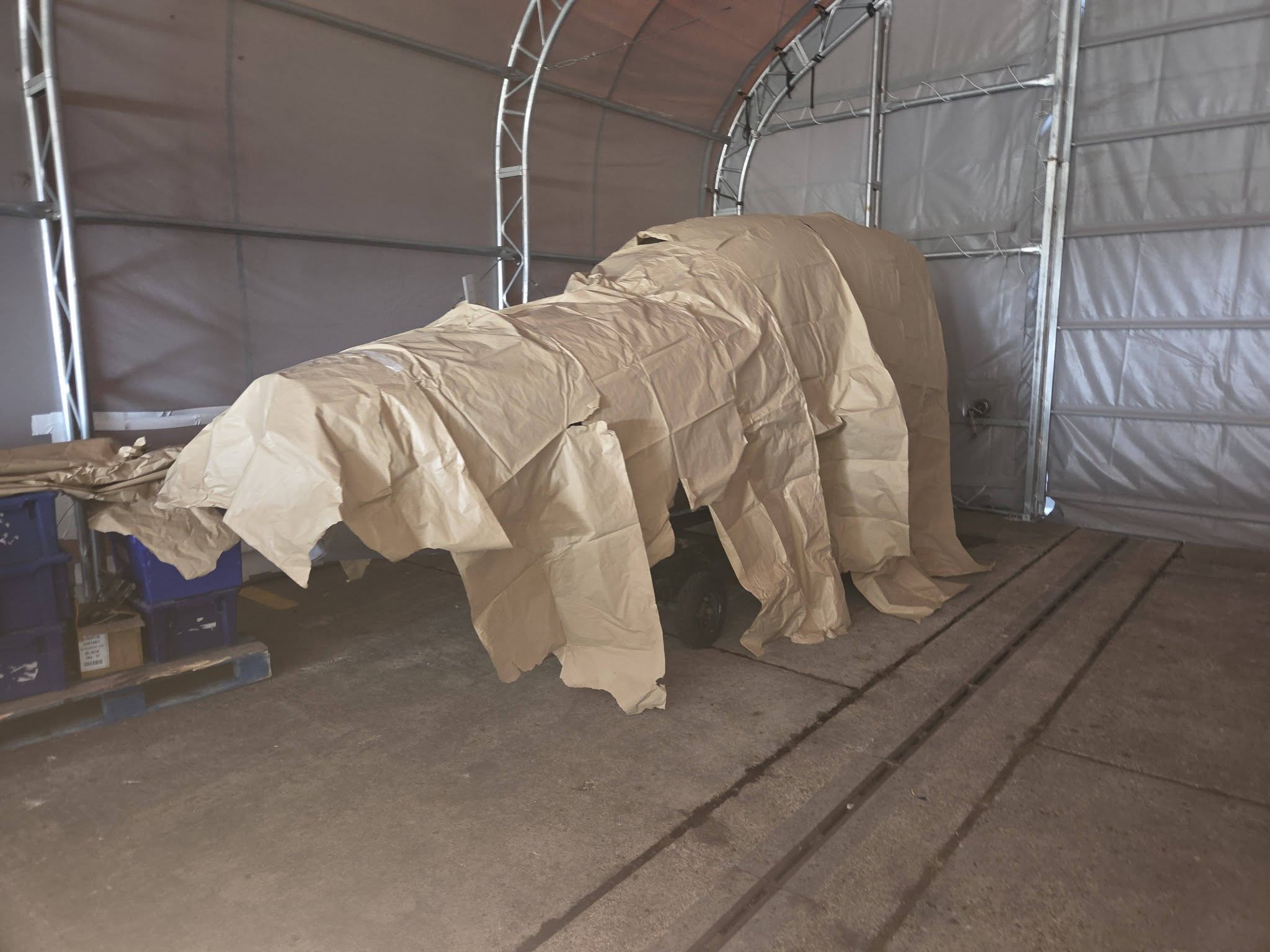
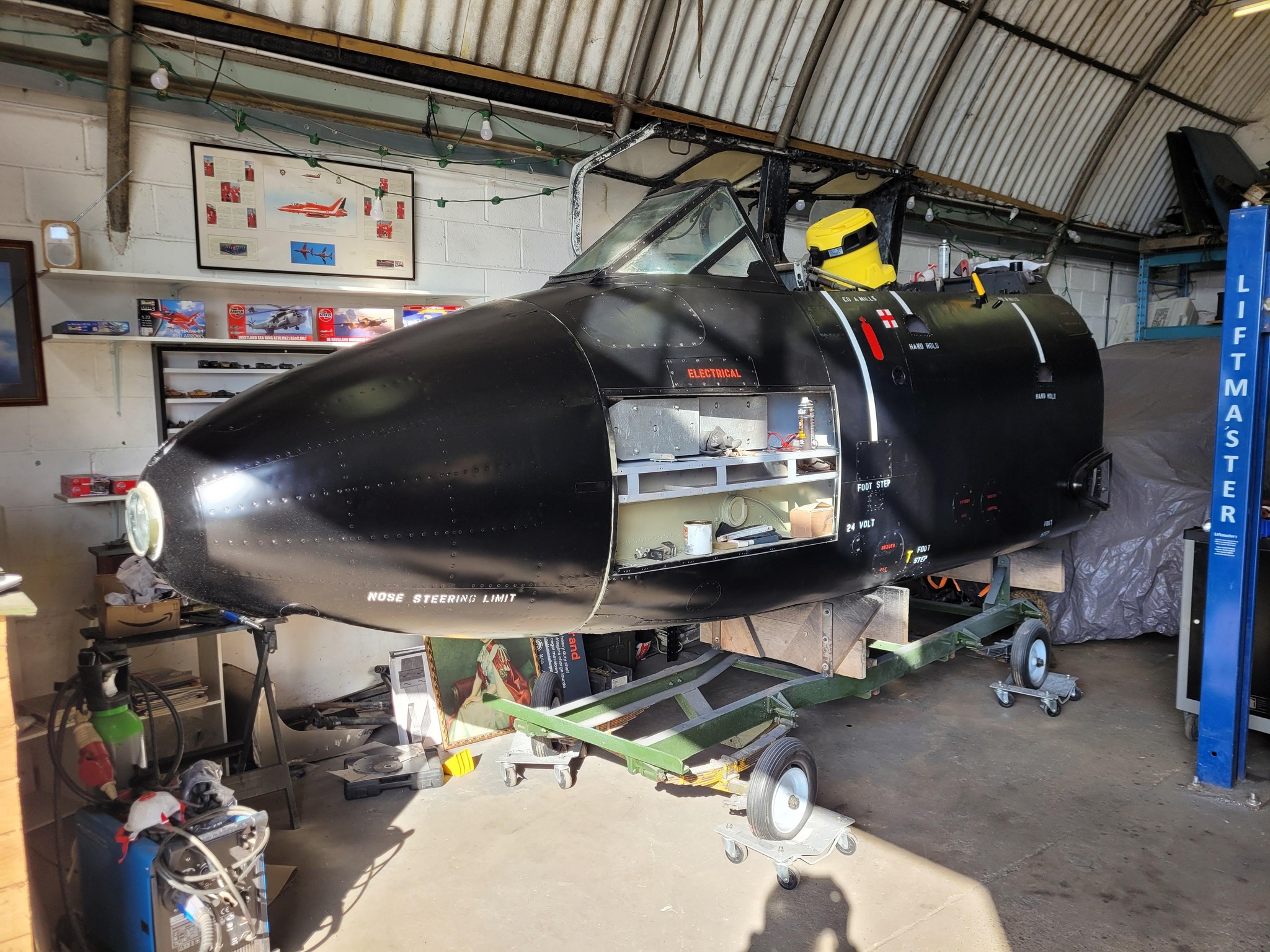
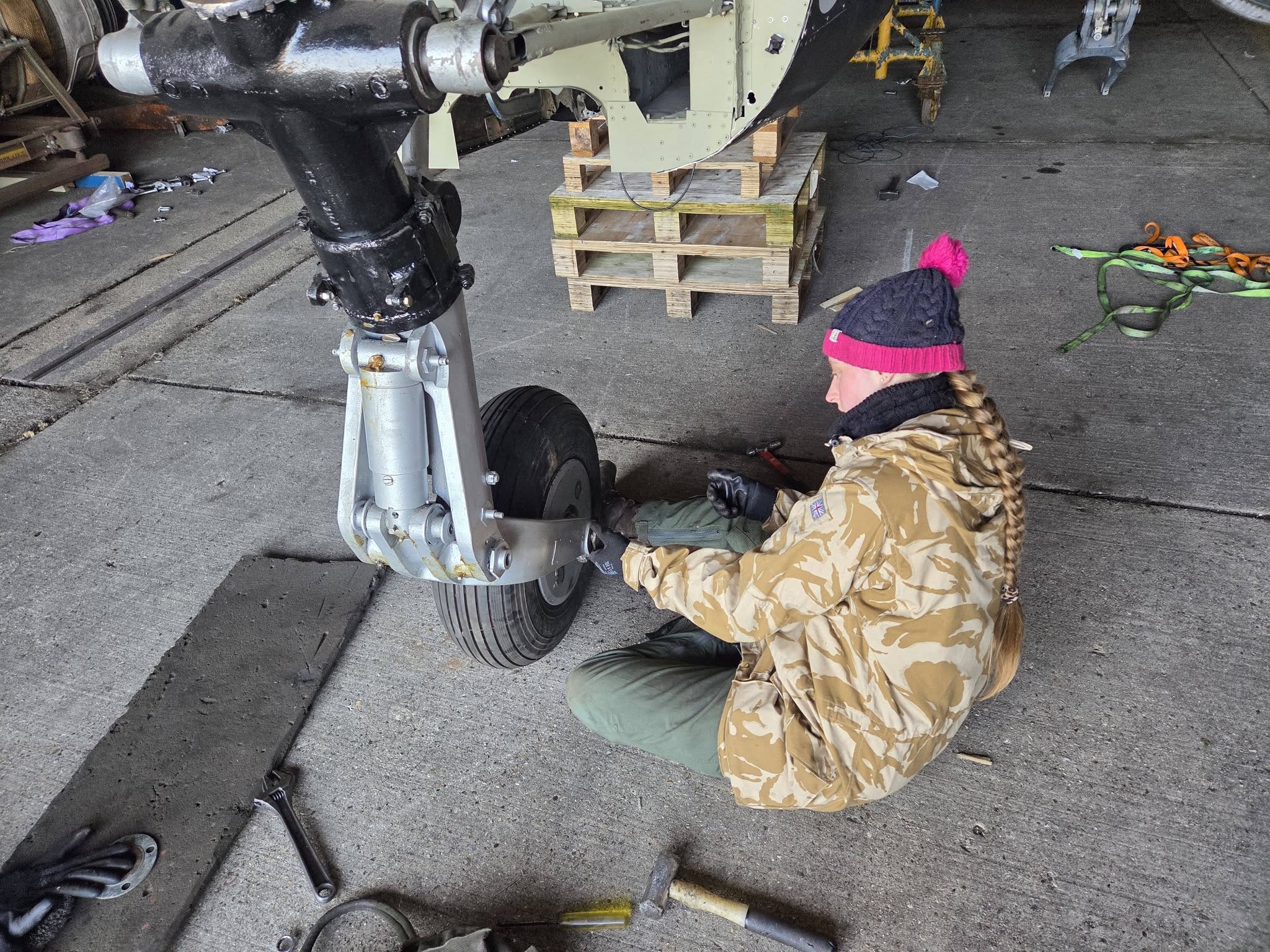
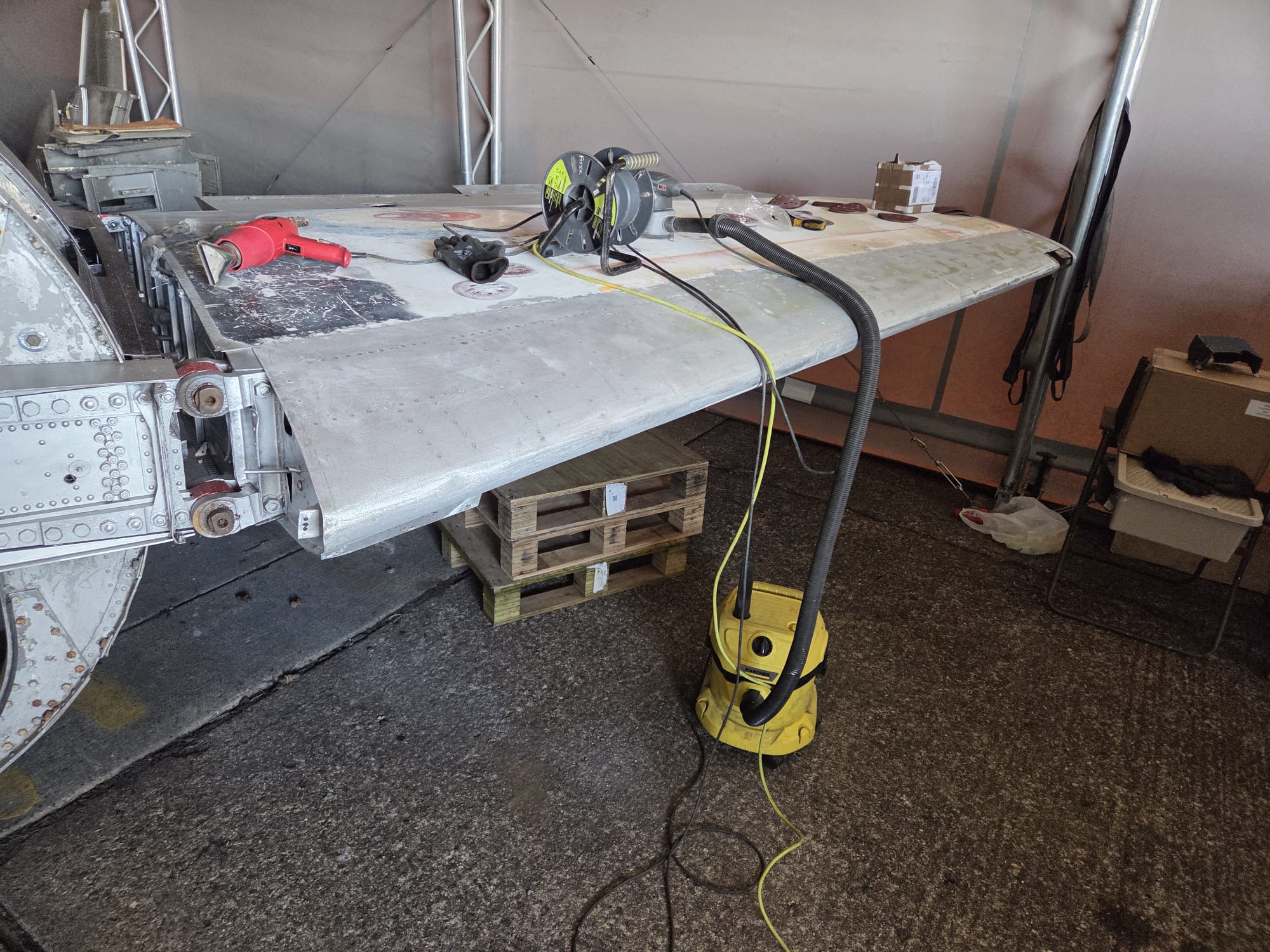
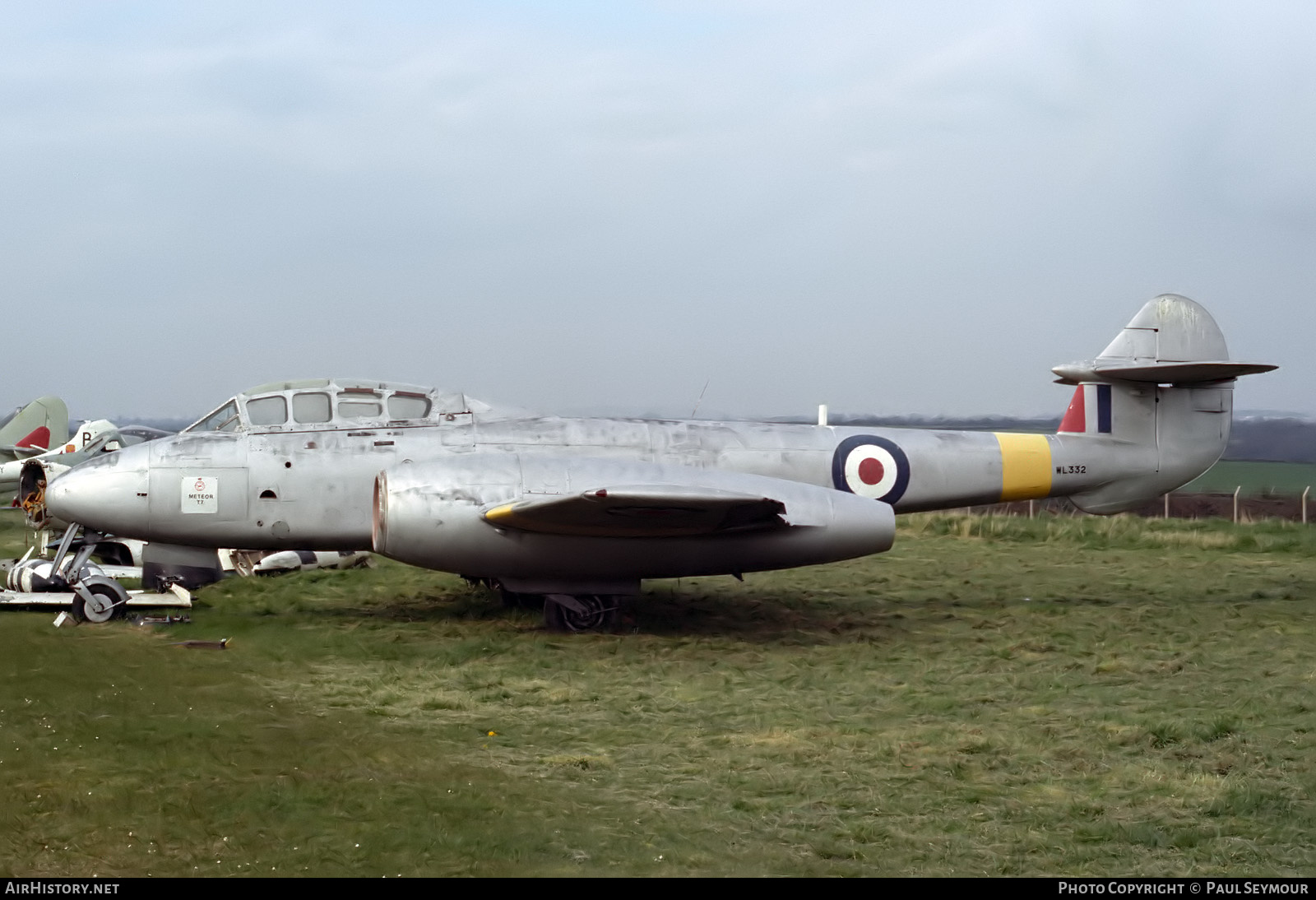
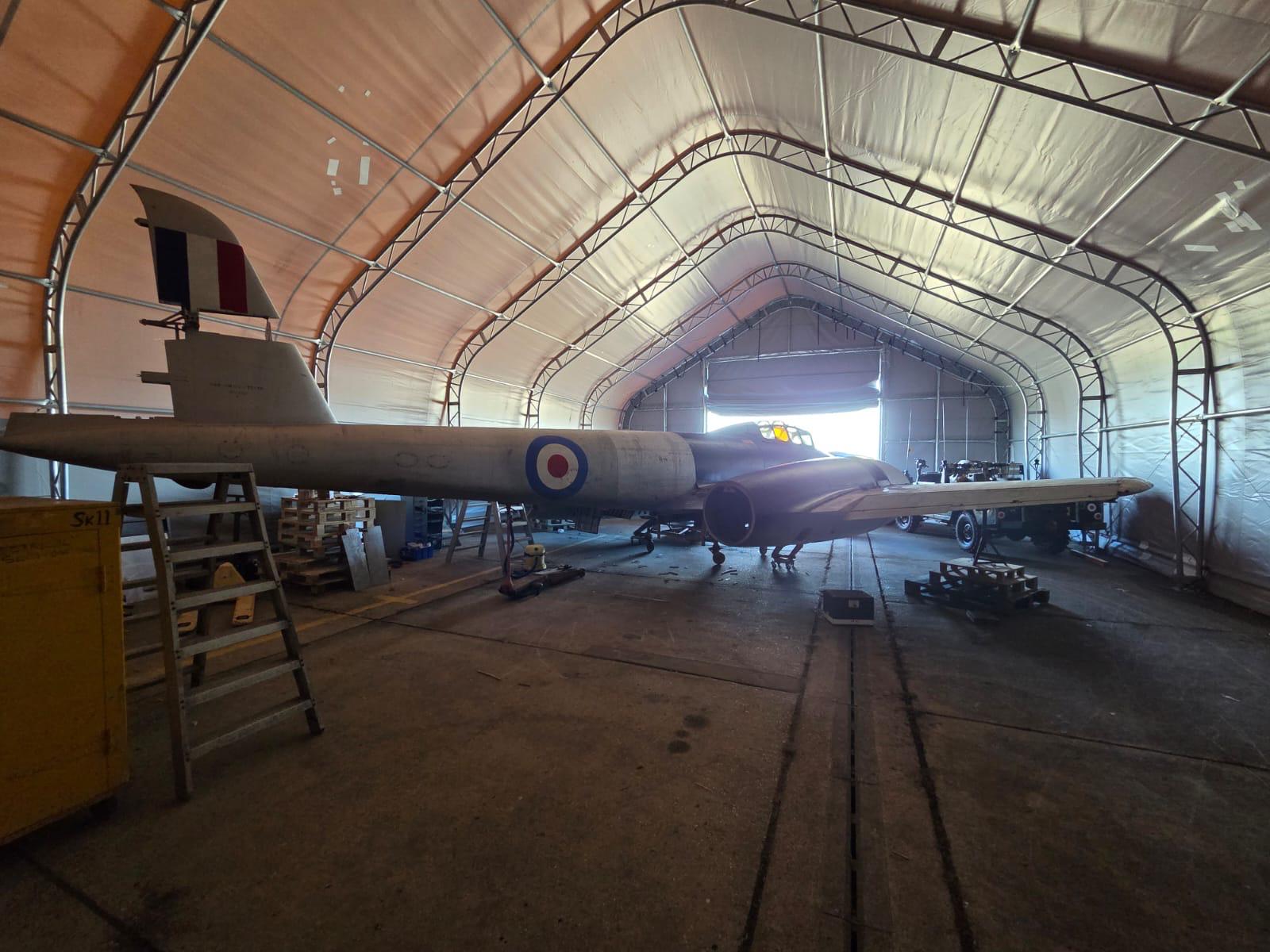
The RAF Coltishall Heritage Centre is delighted to announce the arrival of Gloster Meteor T.7 WL332 to our collection, along with its owner and restorer Abigail Roberta Mills. They are both most welcome & add an exciting enhancement to the centre's story & refurbishment capabilities.
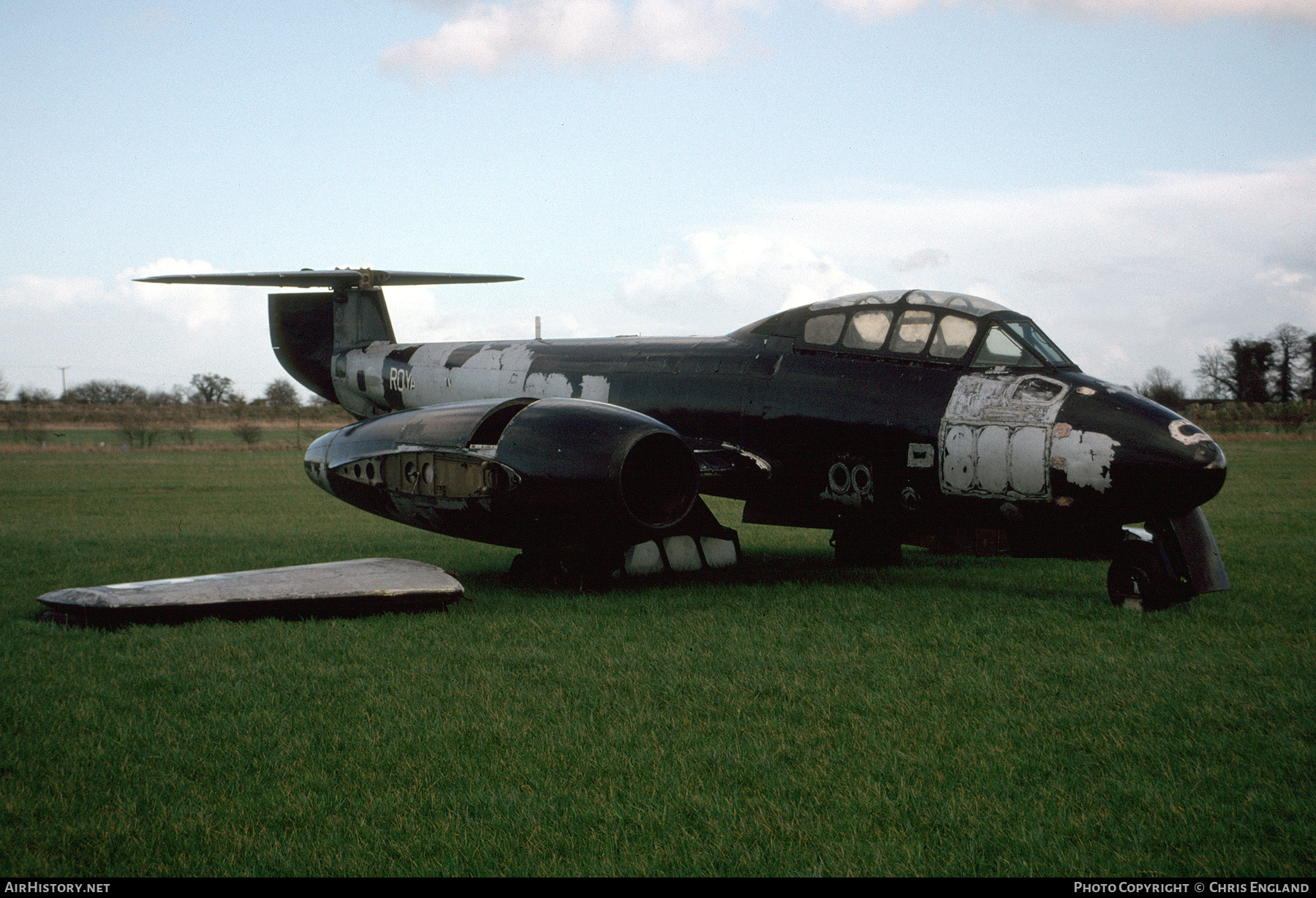
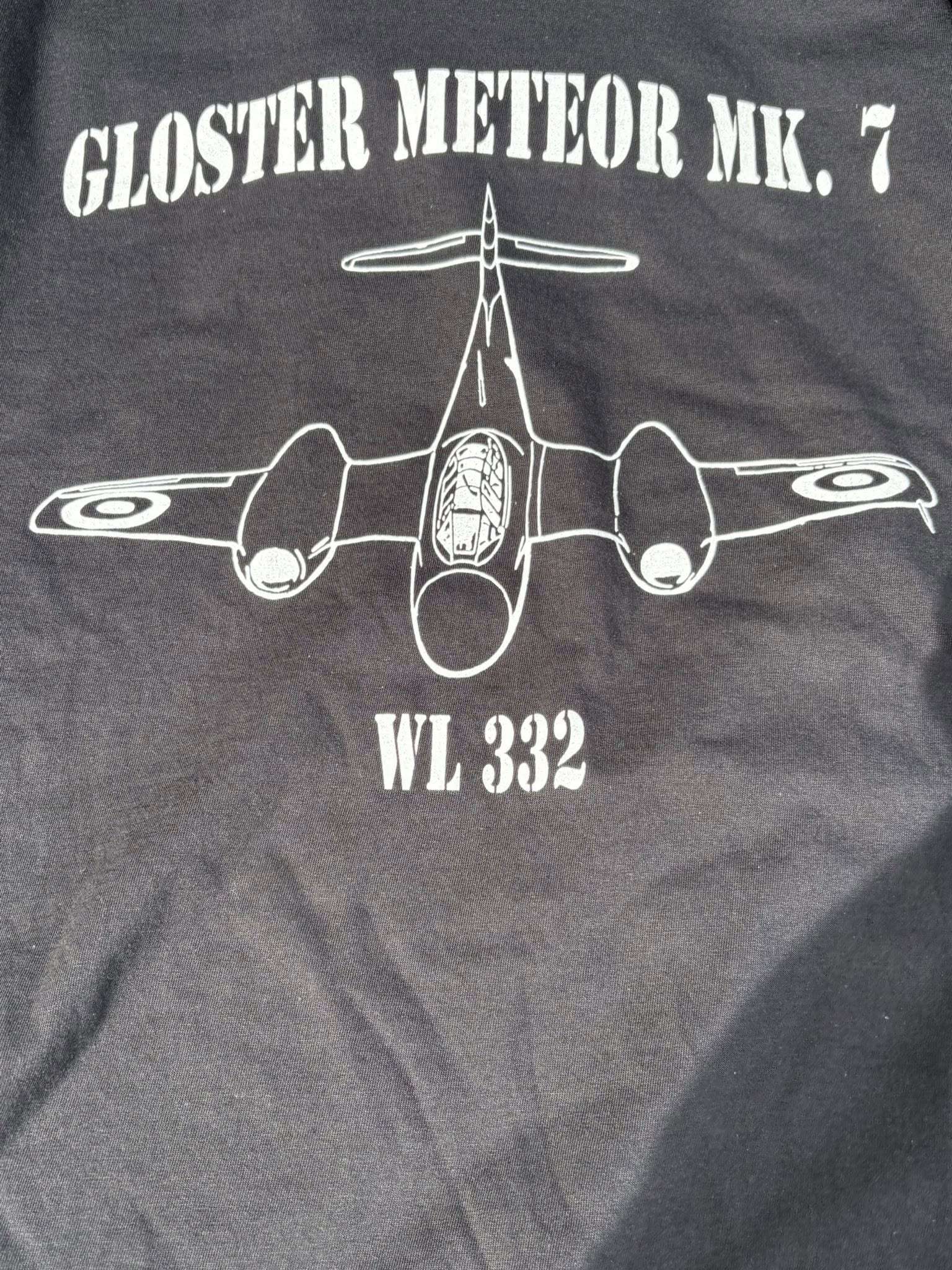
WL332 is the serial number of a historic Gloster Meteor T.7 twin-engine jet aircraft. Originally built in 1952 for the Royal Air Force, it later transferred to the Royal Navy before being decommissioned in 1969.
You can follow and support Abi Mills' restoration progress on the WL332 Facebook page: https://www.facebook.com/groups/2132505720931101
The Gloster Meteor was the first British jet fighter and the Allies ' only jet aircraft to engage in combat operations during the Second World War . It was designed and primarily produced by the Gloster Aircraft Company , although its development was heavily reliant on its ground- breaking turbojet engines, pioneered by Frank Whittle and his company, Power Jets Ltd.
The Gloster Meteor T.7 (often referred to as the “Mk 7”) is one of the most important post-war developments of Britain’s first operational jet fighter, the Gloster Meteor. Its history is closely tied to the rapid transition from wartime jets to a peacetime jet-powered air force. The Meteor T.7 is a two-seat trainer variant of the F.4. The prototype of which first flew in March 1948, 640 aircraft were produced for the Royal Air Force and 43 for the Royal Navy (43) with 72 for export.
The first production Meteor T.7 flew in October 1948, and deliveries ran roughly from 1948 to 1954. Widely exported to countries including Belgium, Israel, Brazil, Sweden, and the Netherlands. The T.7 became the RAF’s standard jet trainer, used for Advanced flying training schools and Operational Conversion Units (OCUs).
Early T.7s used Rolls-Royce Derwent V engines, while later aircraft adopted the more powerful Derwent 8. The Meteor T.7 played a crucial role in the early jet age transition by being used to train thousands of jet pilots in the UK and abroad and remained in service into the 1960s in training roles.
Although the Meteor F.7 wasn’t a combat aircraft, it was arguably just as important as it bridged the gap between piston-engine flying and the jet age, giving pilots the skills needed to operate Britain’s first generation of jet fighters safely and effectively. The Gloster Meteor first arrived at RAF Coltishall in October1946. The first squadron to arrive was No. 245 Squadron, equipped with the Meteor F.3. They were soon joined by No. 56 and No. 266 Squadrons in November 1946. It quickly became apparent that RAF Coltishall’s wartime infrastructure wasn't ready for the heat and weight of jet engines. The Meteors struggled with the grass runways, which were easily scorched and damaged by the jet exhaust. Because of these "unsuitable" conditions, the squadrons were moved out shortly after.
Recognizing that the jet age was here to stay, the Air Ministry purchased more land around RAF Coltishall in 1949 to construct a longer, hardened concrete runway. Once the upgrades were completed, the Meteor returned in force. In October 1950, No. 257 and No. 263 Squadrons arrived, this time flying the significantly improved Meteor F.8. During this period, the Meteors at RAF Coltishall served as the backbone of the UK's frontline air defence. They were frequently scrambled to intercept "intruders" over the North Sea during the early tensions of the Cold War.